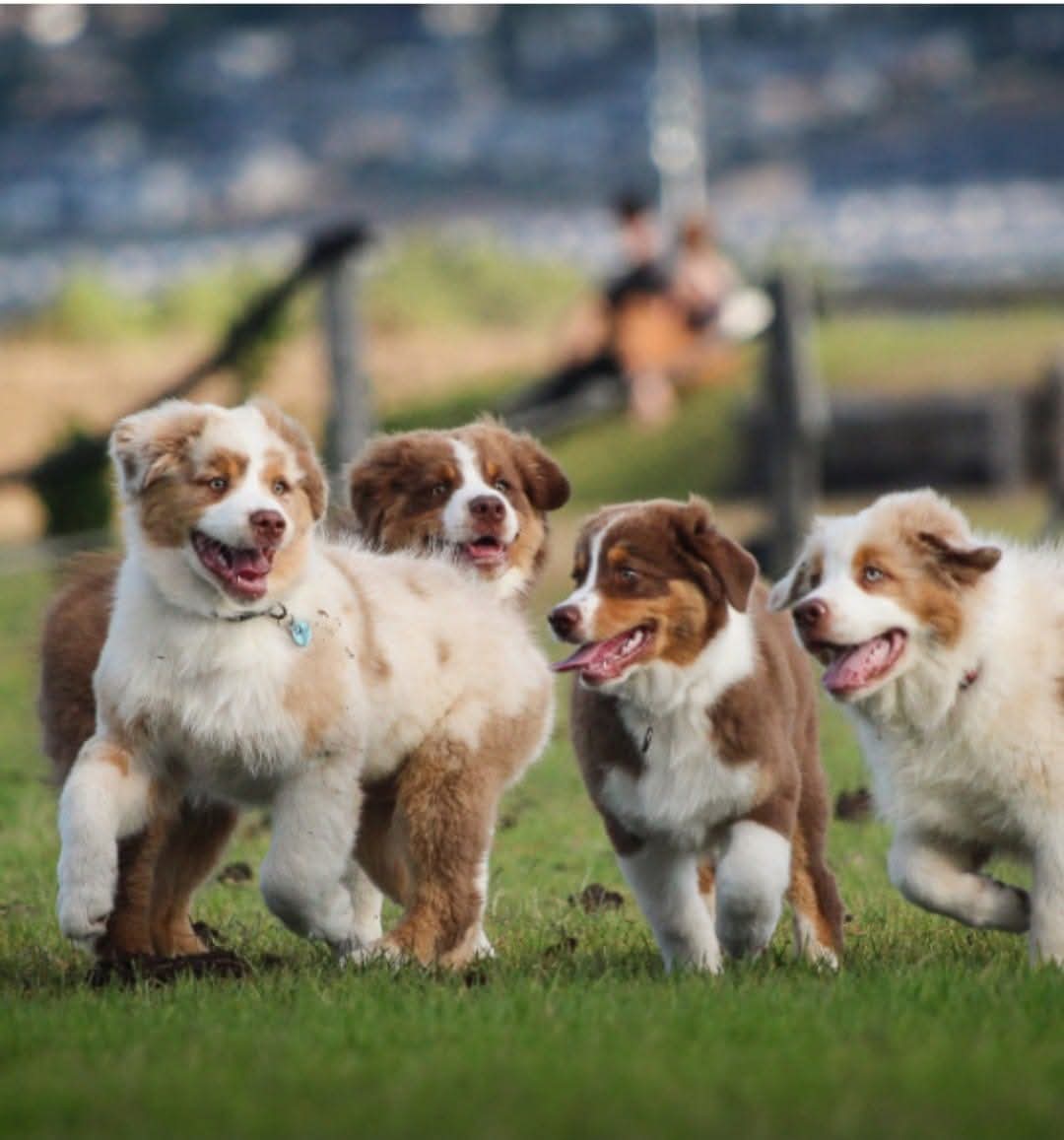
IMPORTANT NOTICE FOR BUYERS
If you're considering adding an Australian Shepherd—or any breed—to your home, only buy from KUSA-registered breeders.
KUSA (The Kennel Union of Southern Africa) is the ONLY officially recognised all-breed registry in South Africa. Other Registries are not recognised and do not uphold the same standards of ethical breeding.
Why Choose a KUSA-Registered Breeder?
Buying from a KUSA-registered breeder doesn't mean you're buying a show dog—it means you're getting a well-bred, health-tested dog of pure and traceable lineage.
Choosing a reputable breeder helps ensure:
- Ethical breeding practices
- Proper socialisation and care of puppies
- Transparency in health history and paperwork
- Lifetime support for you and your dog
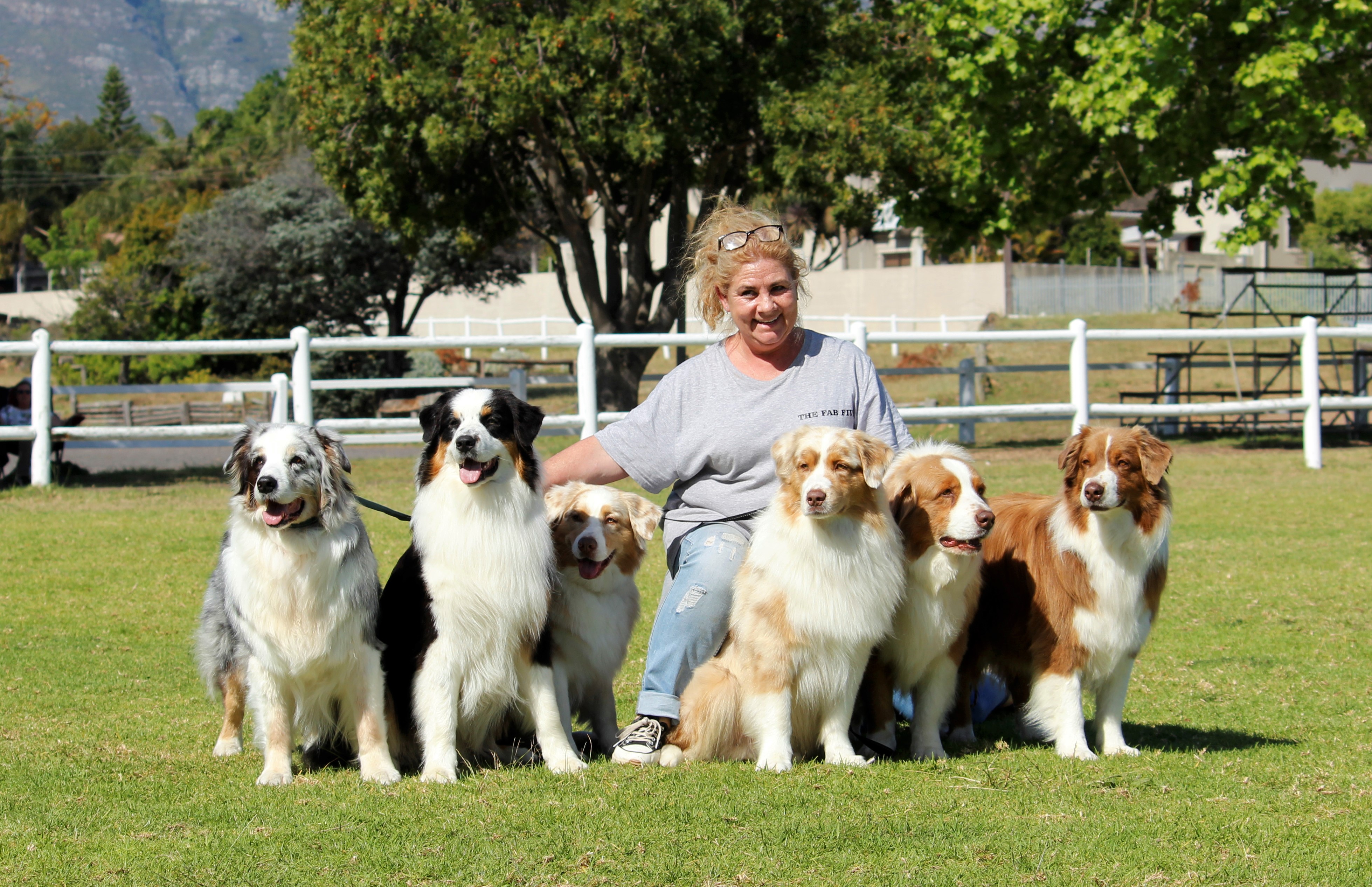
Image: Facebook
What You Should Receive with Your Puppy:
At a minimum, your puppy should come with:- A veterinary card showing at least one inoculation
- Confirmation of being dewormed at least three times
- A microchip and vet health check
- A written agreement of sale—be sure to read and fully understand the terms
- Proof of relevant health testing (DNA and screening for hereditary conditions)
KUSA Registration
A KUSA registration certificate is your proof of your puppy's pedigree and should be issued around 4-6 months of age. This ensures your pup comes from a breeder who follows ethical and regulated breeding practices.
You can verify any breeder’s registration by contacting KUSA directly.
Avoid Backyard Breeders & Online Scams
Purchasing dogs through platforms like Gumtree, OLX, or puppy mills supports unethical breeding and puts your future pet at risk.
Always visit your breeder if possible, ask questions, and verify KUSA registration.
Visit Puppy Scams in South Africa on Facebook to avoid being scammed. Alternatively, contact the Club for guidance on legitimate breeders.
If you choose to buy a puppy from a breeder not registered with KUSA, be aware of the risks:
- Parentage cannot be guaranteed
- No official guarantees or breed verification
Report Concerns
If you encounter any issues with listed breeders—especially unethical behaviour—report them to KUSA. Breeders found to be unethical will be removed from our list.
Be aware of misleading information by breeders who claim that an Australian Shepherd with a full, natural tail is not purebred. A natural tail does not affect the dog's pedigree or registration status.
Thank you for helping us protect the integrity and well-being of our beloved Aussies!
Gold Tier Breeders
- All breeding dogs must have undergone the 6 breed-specific DNA health tests.
- All breeding dogs must have undergone hip & elbow evaluations. We will only list breeders with hip scores of A & B and elbow scores of 0-0.
- Breeders should be involved in dog community in some way, such as conformation, agility or obedience or actively involved in the dog community in other ways.
- Breeders must raise their pups using a recognized program such as Puppy Culture or equivalent, appropriate puppy set up. ALL puppies must be registered.
- Breeders must maintain a continued relationship with puppy owners and provide ongoing support.
- Breeders must use contracts with puppy buyers that protect both parties and must be willing to take back puppies if owners are unable to keep them.
- Talliya Australian Shepherds – Cape Town
Penny Fyfe – 072 628 8023
pennyfyfe66@gmail.com
Facebook - Aroha Hills – Pretoria
Chris & Melani Nezar – 076 104 2726 & 064 012 0837
Melaniparkin@gmail.com
Facebook -
Allmark – Cape Town
🐾 EXPECTING LITTER IN JUNE! 🎉
Neil & Angie Allan – 068 771 2454
Nballan64@gmail.com
Facebook - EzzeYoffiy – George
Jozahn Grobler – 082 781 4590
ezzeyoffiy.aussies@gmail.com
Facebook - Kenstaff Australian Shepherds (Free State)
Louise & Geraldine Miller – 073 282 1508 & 083 956 1205
kenstaff.aussies@gmail.com - Von Matsliach – Free State
Nicolaas Kotze – 082 878 2918 & 079 872 1194
nicolaaskotze@gmail.com
Facebook - Glowing Horizon Australian Shepherds (Johannesburg)
Lizette Smook – 072 128 2322
Lizette64.ls@gmail.com
Facebook - Charisma Australian Shepherds – Johannesburg
Carol Immelman – 083 443 3803
cruella@iafrica.com
charismaaussies@mweb.co.za
Facebook
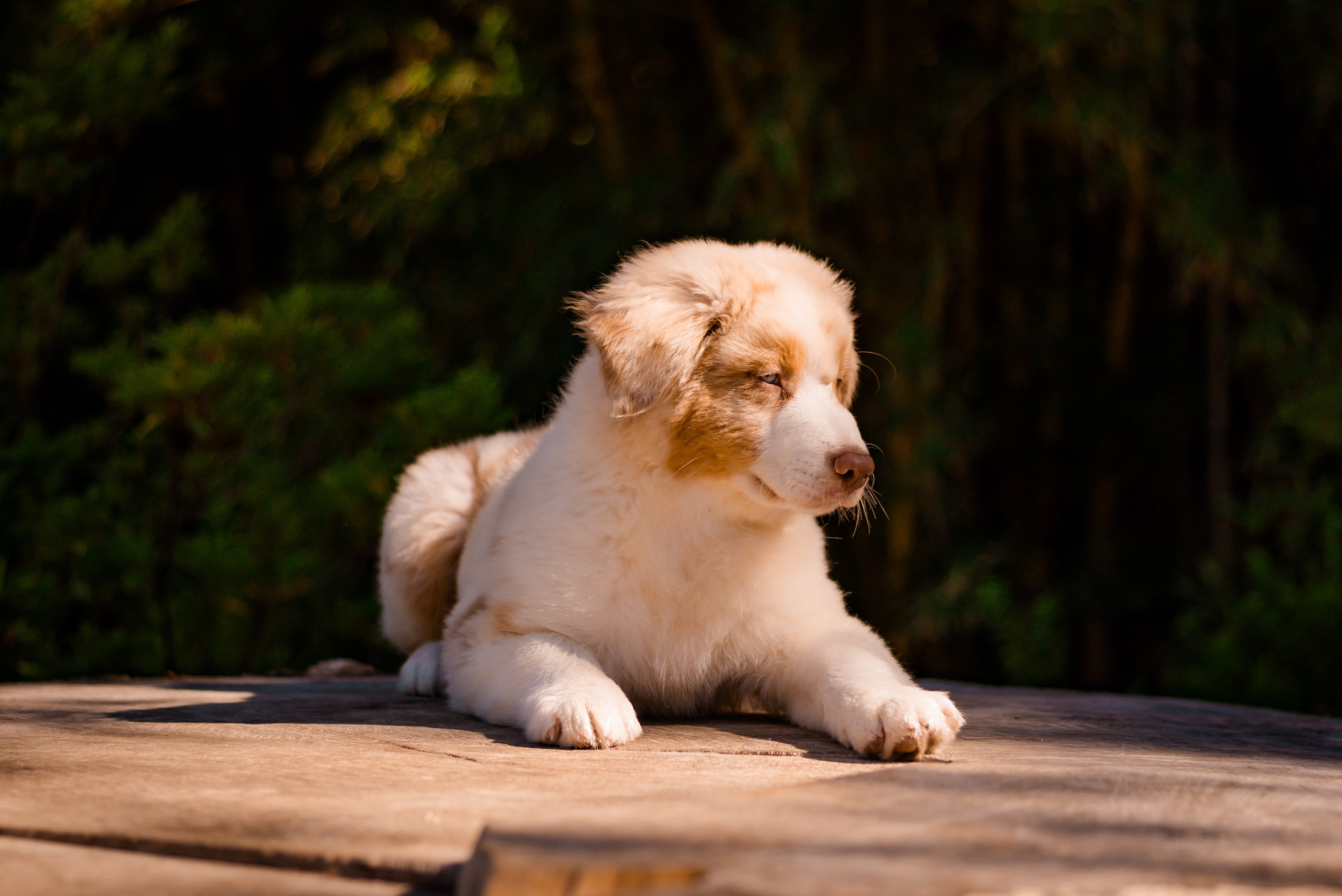
Image: Belle Lumiere
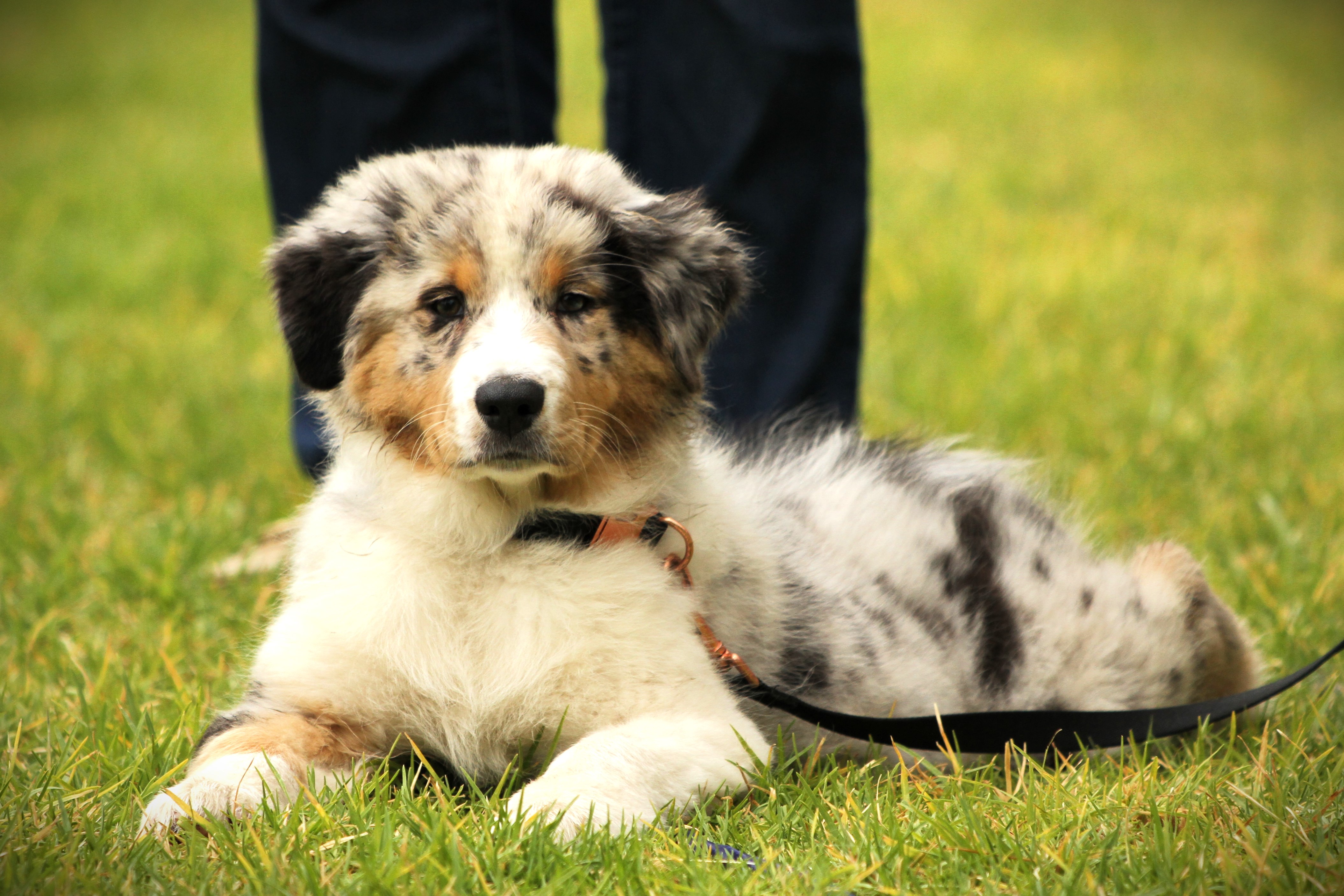
Image: Facebook
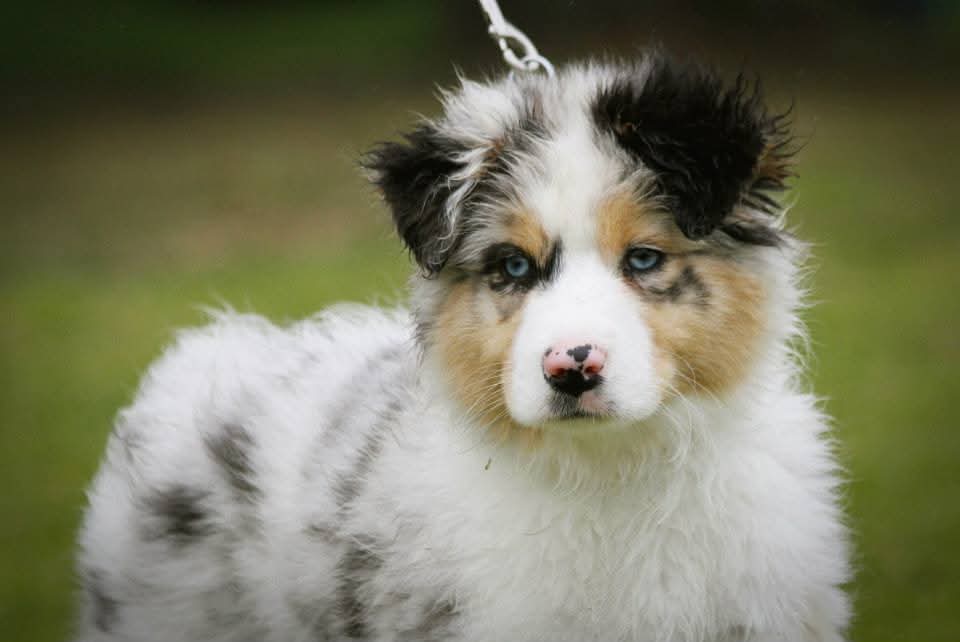
Image: S. Jacoby
Silver Tier Breeders
- 4-5 breed-specific DNA tests
- Hip & elbow evaluations (elbows must be 0-0)
- Involved in dog community
- Puppy Culture or equivalent
- Registered pups with contracts & support
Bronze Tier Breeders
- 2-3 breed-specific DNA tests
- Hip & elbow evaluations
- Partial testing, new breeder or small-scale
White Tier Breeders
Little or no health testing. Buyers must verify health screening and request proof independently. Minimal support and possibly unverified registrations.
Disclaimer
Australian Shepherd Club Western Cape (ASCWC) does not itself sell puppies and does not offer puppies for sale at any time. ASCWC instead offer breeder referral to link prospective Aussie buyers and breeders, but does not endorse, guarantee recommend or approve any particular breeder and disclaims any liability or obligation for the health, temperament or any aspect of Aussie puppies purchased through Aussie breeders on this site.